

Business
- Trang chủ
- Business
- Food
Food
Food is one of the strategic sectors within Nagri’s integrated agricultural ecosystem. Built upon large-scale raw material development, technology application, partner collaboration, and strict quality control, Nagri not only supplies high-quality food products to the domestic market but is also well-positioned to fulfill large-scale export orders. In parallel, the medicinal plant sector is being developed alongside, in cooperation with reputable partners, to establish cultivation areas and value-added products.
Lean Cultivation Area Development – Foundation of the Value Chain
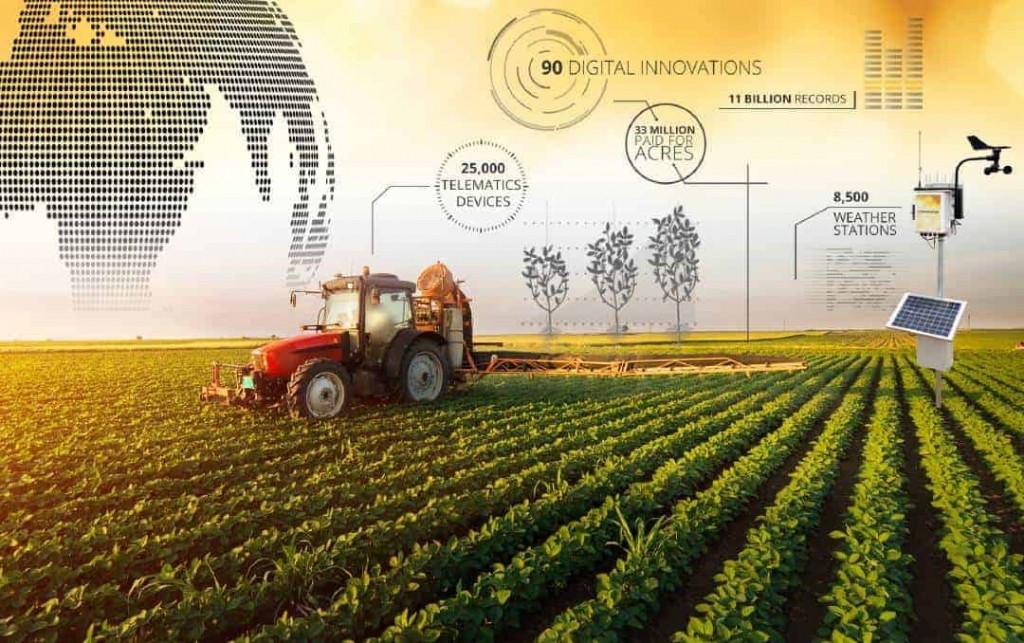
Nagri develops key rice cultivation areas in the Long Xuyen Quadrangle, including the provinces of An Giang, Kien Giang, Dong Thap, and Vinh Long, along with the Mekong Delta—the core raw material region of Vietnamese agriculture. Leveraging its Ag Agitech platform, Nagri applies advanced farming practices, safety standards, and strict water and soil management to ensure input quality across the entire value chain.
These cultivation areas are developed under partnership models with farmers and cooperatives, applying smart farming solutions and adhering to criteria on traceability, food safety, and sustainable development.
Production – Processing & Quality Control
Nagri organizes production and processing through a network of reputable partners, combined with quality management standards to ensure safety, consistency, and efficiency. Rice and medicinal material processing is strictly controlled from preliminary handling and storage to packaging, meeting the requirements of both domestic and international markets. Nagri’s production orientation goes beyond volume, focusing on quality, value creation, and long-term sustainability.
Rice Product Development – International Standards
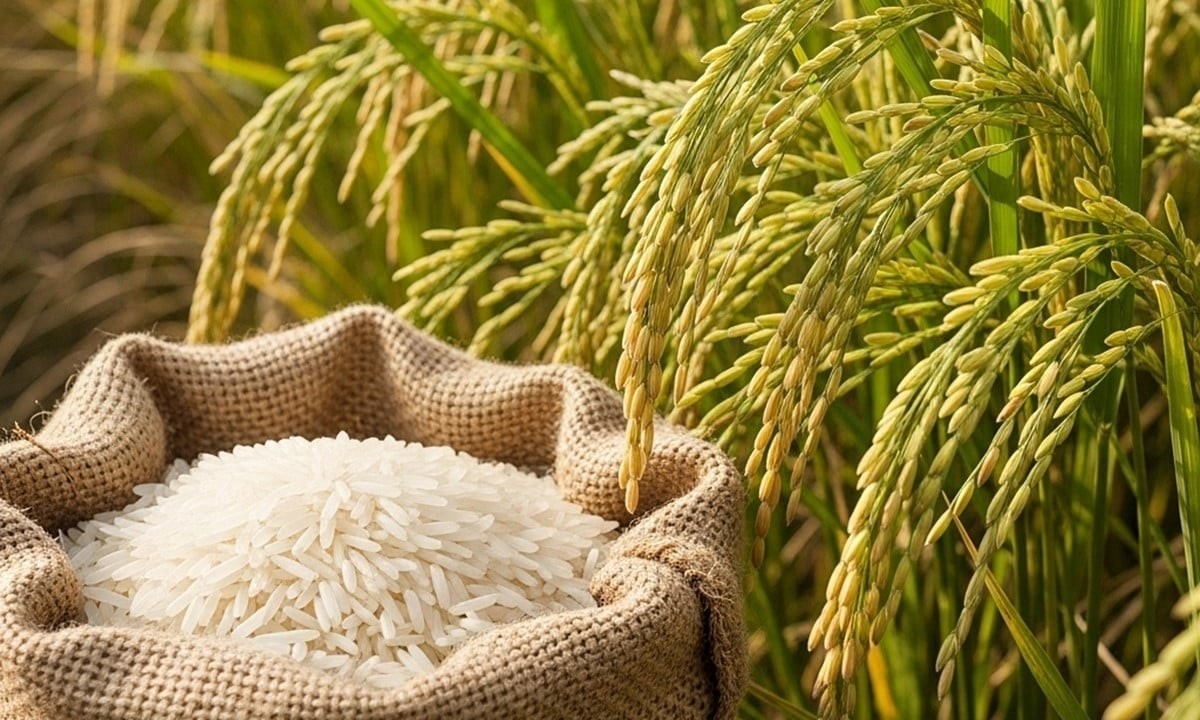
From streamlined raw material sourcing and production, Nagri develops a portfolio of high-quality rice products aligned with global market demand. Key rice varieties developed and distributed by Nagri include:
IR 5404: Long-grain, bright white, high gloss, moderately soft texture with a naturally sweet taste. Suitable for export and large-scale international markets.
OM: Soft texture, lightly sticky, with a pleasant natural aroma. Well-suited for the mid- to high-end consumer segment and the foodservice channel.
ST25: Recognized as the “World’s Best Rice,” ST25 features slender grains, chewy-soft texture, delicate fragrance, and a naturally sweet aftertaste.
Jasmine: Naturally aromatic rice with soft texture and gentle fragrance, widely favored in Southeast Asia and many international markets.
PT8 / Nang Thom: Traditional fragrant rice varieties, easy to eat, suitable for diverse tastes and well-adapted to multiple consumer segments and distribution channels.
In addition, Nagri develops other value-added rice products such as branded fragrant rice, convenience products, and specialty lines serving the premium market. In parallel, Nagri also develops medicinal plant-based products, in cooperation with domestic and international pharmaceutical companies, aiming for high safety standards, effectiveness, and practical application.
Strategic Partnerships
Nagri collaborates with reputable partners to enhance quality and expand market reach, including:
-
Agimex: Cooperation in developing raw material areas and procurement and processing.
-
Lam Rice: Development of rice products meeting export standards.
-
Other partners across the supply chain, trade, and distribution.
This partnership model enables Nagri to secure stable input supply, diversify products, optimize distribution channels, and share benefits with farmers and partners, thereby promoting sustainable development.
Markets & Distribution – Global Export
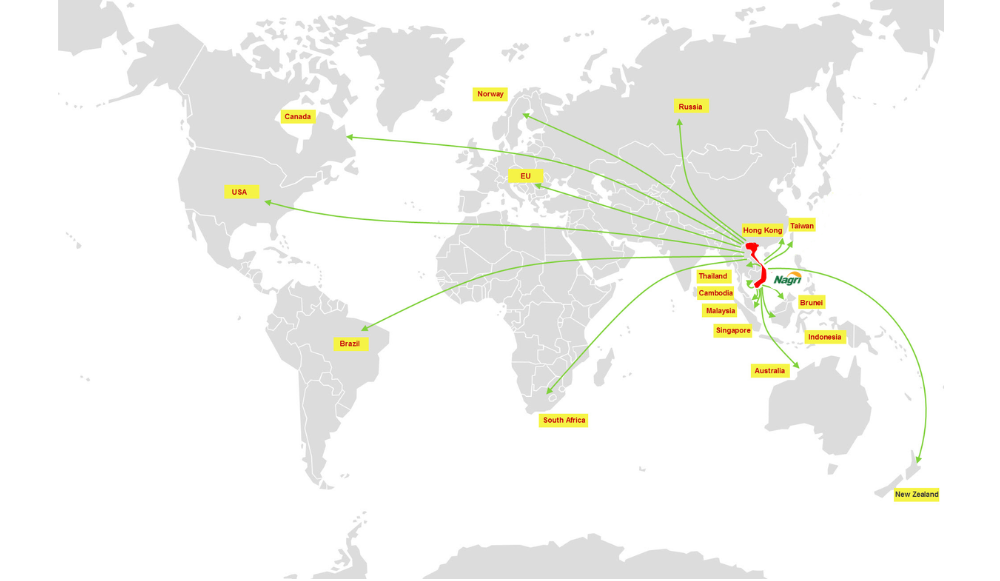
Nagri builds a strong distribution system and commercial channels to meet both domestic and international market demand. High-quality rice products are supplied to major partners and customers and are ready to serve large-scale export markets in compliance with quality standards and traceability requirements. Commercial activities are implemented in close alignment with other stages of the value chain, ensuring efficiency, safety, and sustainable growth.