


Green Agriculture in Environmental Protection and Climate Change Mitigation
18/09/2026 - 14:14:12 4 Industry News
Climate change and environmental degradation are becoming critical global challenges, directly impacting food security, the livelihoods of hundreds of millions of farmers, and the sustainable development of nations.
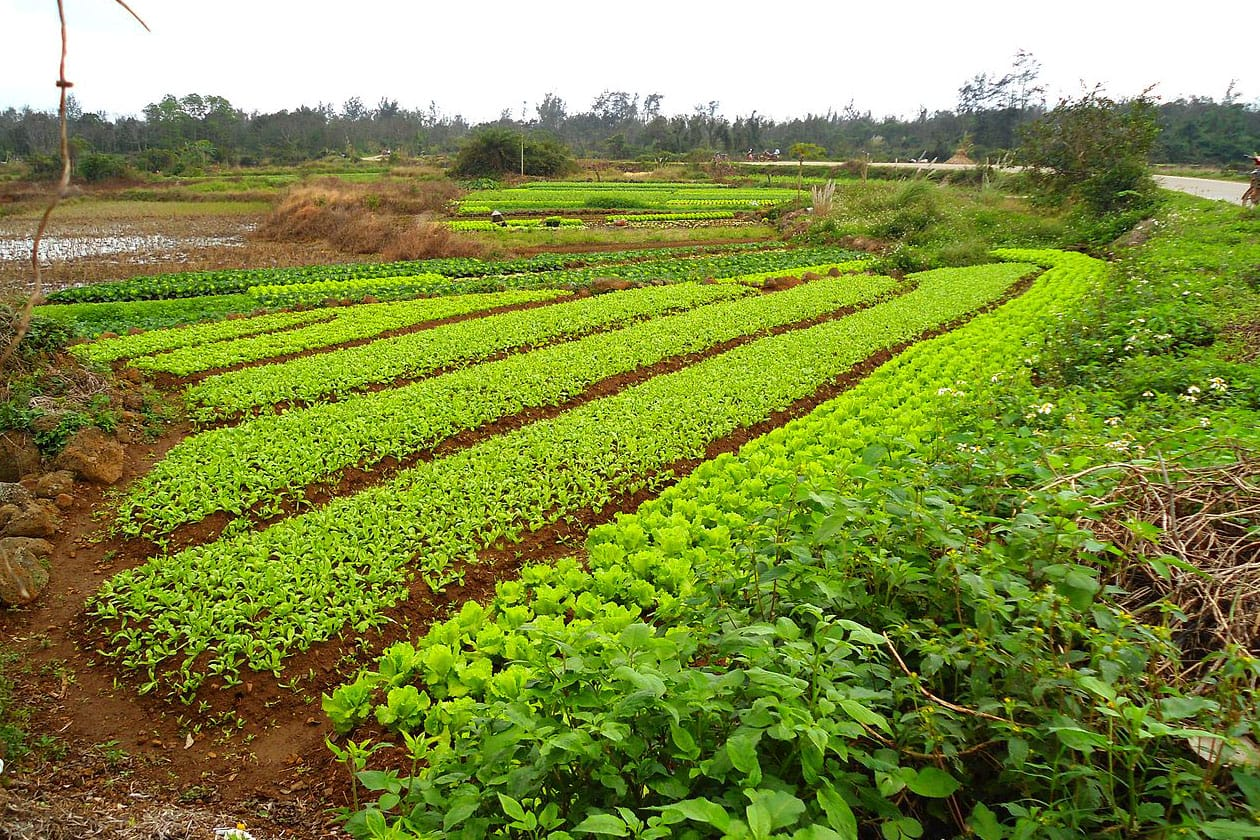
Agriculture—a sector that is both heavily impacted by climate change and a significant source of greenhouse gas emissions—needs to be transformed toward environmental friendliness. Green agriculture is therefore considered a vital solution for environmental protection, climate change adaptation, and mitigation.
Green agriculture is an agricultural production model based on the efficient use of natural resources while minimizing negative impacts on the environment and ecosystems. This model focuses on reducing the reliance on chemical fertilizers, synthetic pesticides, and antibiotics in livestock; replacing them with biological, organic, and circular methods. Simultaneously, green agriculture encourages the application of science and technology, smart farming practices, and the sustainable management of land, water, and biodiversity.
One of the most significant contributions of green agriculture is the protection of soil environments. Green farming techniques help improve soil structure, increase organic matter, and enhance beneficial microorganism systems, thereby boosting soil fertility and water retention capacity. Practices such as crop rotation, soil covering, and the use of organic and bio-fertilizers help reduce soil erosion, leaching, and degradation—common issues in today’s intensive agricultural practices. Protecting the soil not only maintains long-term productivity but also contributes to absorbing and storing carbon in the soil, reducing greenhouse gas emissions.
Beyond soil, protecting water resources is a standout benefit of green agriculture. Limiting toxic chemicals reduces the risk of contaminating surface and groundwater sources. Water-saving irrigation systems—such as drip irrigation and smart irrigation powered by sensors and weather data—enable more efficient water use, especially amid rising water scarcity caused by climate change. Green agriculture also promotes water reuse and circular agricultural waste management, helping safeguard aquatic ecosystems and community living environments.
In terms of reducing greenhouse gas emissions, green agriculture plays a crucial role in climate action efforts. Traditional farming activities—particularly the overuse of chemical fertilizers, burning of agricultural by-products, and large-scale livestock farming—emit large volumes of CO₂, CH₄, and N₂O. Green agriculture drives emission reductions through proper fertilizer management, biotech-based livestock waste treatment, renewable energy generation from agricultural by-products, and the restriction of straw burning. These solutions not only cut emissions but also generate clean energy, supporting the transition to a low-carbon economy.
In addition to reducing emissions, green agriculture enhances climate change adaptability. Diversifying crops and livestock, alongside introducing varieties resilient to drought, saltwater intrusion, and pests, reduces production risks under adverse climate conditions. Agroforestry farming systems, ecological agriculture, and biodiversity conservation increase the stability of agricultural ecosystems, boosting their resilience against extreme weather events.
For the air quality and rural landscapes, green agriculture decreases pollution and elevates living standards. Restricting the burning of agricultural residues, utilizing clean energy, and expanding green spaces help diminish dust, toxic gases, and odors in rural areas. Furthermore, eco-friendly agricultural landscapes that blend harmoniously with nature create ideal conditions for agritourism and ecotourism, bringing economic and cultural value to local communities.
Given that Vietnam is among the countries most severely affected by climate change—particularly in the Mekong Delta and coastal regions—developing green agriculture holds strategic importance. Transforming production models toward sustainability not only safeguards natural resources and living environments but also fulfills international commitments regarding emission reductions and sustainable development. Simultaneously, green agriculture builds a foundation to elevate the value of agricultural products, improve farmers' livelihoods, and foster international integration.
However, for green agriculture to fully realize its role in environmental protection and climate mitigation, joint efforts from all of society are required. The government needs to refine supportive policies concerning finance, science, technology, and market access; enterprises must lead green value chains; and farmers need to shift their mindsets toward sustainable cultivation. Additionally, raising consumer awareness about green consumption is essential to driving this transition.
Green agriculture is a key solution for protecting the environment and mitigating climate change impacts, while contributing to a sustainable, adaptive, and nature-friendly agricultural sector. Accelerating green agricultural development delivers not only immediate benefits but also creates a solid foundation for food security, farmers' livelihoods, and long-term societal growth amid escalating climate change.