


Agricultural Exports in the First 9 Months: Shifting from Production Volume to Value
28/09/2026 - 10:19:04 4 Industry News
With the export value of agricultural, forestry, and aquatic products in the first 9 months of 2026 estimated at 56.3 billion USD, up 7.8% year-over-year, the agricultural sector is on track to meet and exceed the annual target of 74.2 billion USD. However, the challenge is not merely to increase export value but to elevate the position of these sectors within the global value chain.
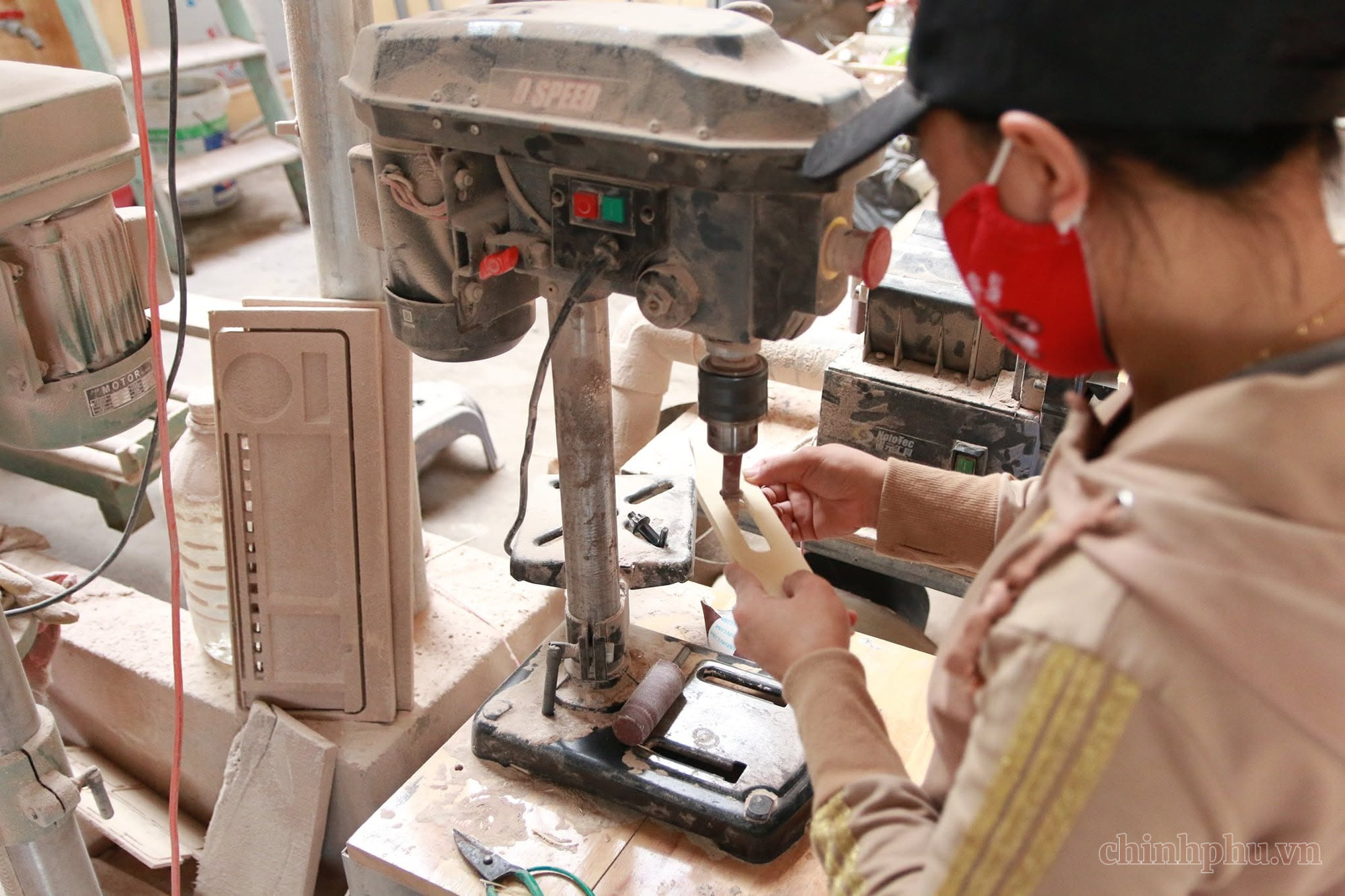
Many sectors need to shift from a focus on supply capacity to greater control over value-added stages - Photo: Chinhphu.vn/Do Huong
Agricultural, forestry, and aquatic products may exceed export targets
According to Deputy Minister of Agriculture and Environment Vo Van Hung, in the first nine months of 2026, the export value of agricultural, forestry, and aquatic products is estimated at 56.3 billion USD, up 7.8% year-on-year; the trade surplus stands at approximately 16.9 billion USD.
In the overall picture, wood and wood products, aquatic products, and fruits and vegetables continue to be product groups with strong growth potential. Meanwhile, some sectors continue to face challenges, as export volumes have increased but export value has declined.
Notably, coffee exports rose by 15.4% in volume but fell by 7.3% in value due to a decline in the average export price. Rice, rubber, cassava, and cassava products also recorded decreases in value.
According to the Ministry of Agriculture and Environment, based on the results of the first nine months, Vietnam is on track to meet and exceed its 2026 export target of 74.2 billion USD. However, the likelihood of exceeding the overall target does not mean that all product categories will meet their individual targets.
In the final months of the year, the Ministry of Agriculture and Environment plans to maintain the growth momentum of three key product groups—wood and wood products, aquatic products, and fruits and vegetables—while focusing on resolving challenges faced by sectors that have yet to meet their targets.
For seafood, the focus is on key sectors such as shrimp and catfish; ensuring quality control and supply chain safety; addressing issues related to illegal, unreported, and unregulated (IUU) fishing; and proactively responding to trade defense measures.
For fruits and vegetables, including durian, the requirement is to strictly control the codes for growing regions, packaging facilities, and product quality, thereby maintaining the reputation of Vietnamese goods in import markets.
Vice Minister of Agriculture and Environment Vo Van Hung emphasized the need to shift from a mindset of “opening markets” to one of “opening, entering, and retaining markets.” Along with removing barriers, the sector must diversify markets, address credit bottlenecks, build an integrated data system, and prepare scenarios for 2027.
This is also a long-term imperative, as exports remain highly concentrated in a few major markets, leaving many sectors vulnerable to changes in trade policies, technical standards, or market access conditions.
In the overall picture, wood and wood products, aquatic products, and fruits and vegetables continue to be product groups with strong growth potential. Meanwhile, some sectors continue to face challenges, as export volumes have increased but export value has declined.
Notably, coffee exports rose by 15.4% in volume but fell by 7.3% in value due to a decline in the average export price. Rice, rubber, cassava, and cassava products also recorded decreases in value.
According to the Ministry of Agriculture and Environment, based on the results of the first nine months, Vietnam is on track to meet and exceed its 2026 export target of 74.2 billion USD. However, the likelihood of exceeding the overall target does not mean that all product categories will meet their individual targets.
In the final months of the year, the Ministry of Agriculture and Environment plans to maintain the growth momentum of three key product groups—wood and wood products, aquatic products, and fruits and vegetables—while focusing on resolving challenges faced by sectors that have yet to meet their targets.
For seafood, the focus is on key sectors such as shrimp and catfish; ensuring quality control and supply chain safety; addressing issues related to illegal, unreported, and unregulated (IUU) fishing; and proactively responding to trade defense measures.
For fruits and vegetables, including durian, the requirement is to strictly control the codes for growing regions, packaging facilities, and product quality, thereby maintaining the reputation of Vietnamese goods in import markets.
Vice Minister of Agriculture and Environment Vo Van Hung emphasized the need to shift from a mindset of “opening markets” to one of “opening, entering, and retaining markets.” Along with removing barriers, the sector must diversify markets, address credit bottlenecks, build an integrated data system, and prepare scenarios for 2027.
This is also a long-term imperative, as exports remain highly concentrated in a few major markets, leaving many sectors vulnerable to changes in trade policies, technical standards, or market access conditions.
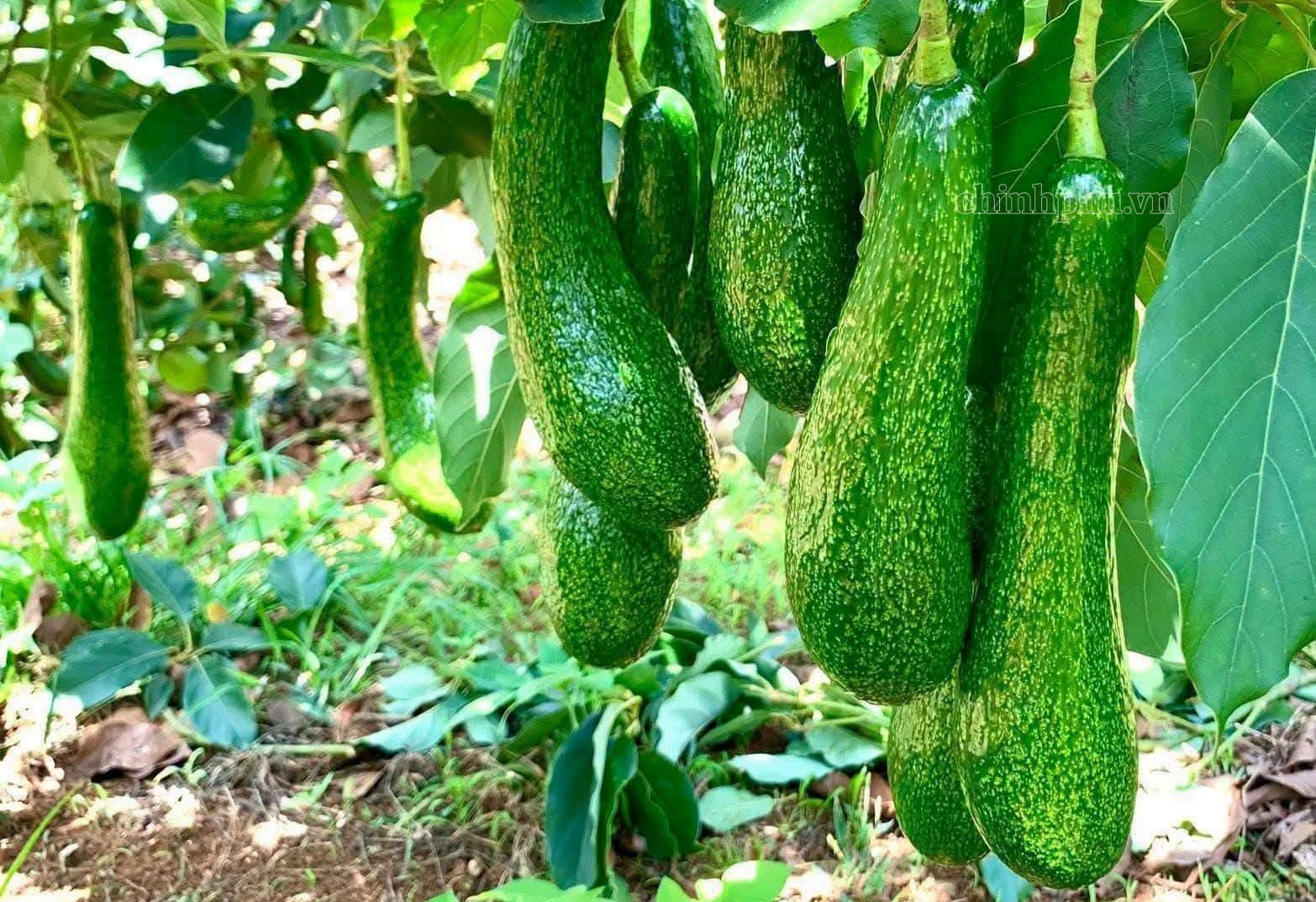 The produce sector cannot rely solely on fresh produce exports but must extract greater value from the same raw materials—Photo: Chinhphu.vn/Do Huong
Deep Processing Opens Up New Opportunities for Exports
Beyond addressing immediate needs, the bigger challenge for the agriculture, forestry, and aquaculture sectors is to shift from relying on production volume and supply capacity to gaining greater control over value-added stages.
According to Mr. Nguyen Quoc Khanh, Chairman of the Vietnam Forest Products Association (VIFOREST), Vietnam is currently among the world’s leading exporters of wood products and furniture, ranking second in Asia behind China; the industry provides employment for approximately one million workers. However, Mr. Nguyen Quoc Khanh believes that the industry’s greatest advantage remains its production capacity. Most businesses operate on a made-to-order basis, while their capacity for independent design, product development, and building their own brands remains inadequate.
This necessitates a shift from being a manufacturing hub to gradually enhancing capabilities in innovation, design, and product development.
Regarding coffee, Mr. Thai Nhu Hiep, Vice Chairman of the Vietnam Coffee and Cocoa Association (VICOFA), noted that collaboration among businesses remains limited. Small businesses may sell their products through foreign-invested enterprises (FIEs), while large businesses conduct transactions through international traders.
In the absence of an integrated ecosystem spanning raw material sourcing, processing, distribution, and branding, the industry’s collective bargaining power is fragmented. Meanwhile, new requirements for sustainable development, emissions reduction, and traceability—including the European Union’s Deforestation Regulation (EUDR)—are increasingly becoming critical conditions for maintaining market access.
Regarding natural rubber, Mr. Nguyen Viet Tuong, former Vice Chairman of the Vietnam Rubber Association and former Chairman of the Board of Directors of Dak Lak Rubber Company, argues that a large production volume does not necessarily equate to market influence. Vietnam’s rubber product portfolio remains limited, while raw material exports still account for a significant share. Consequently, the value added from deep processing and the production of high-tech products remains outside Vietnam.
One of the current key export sectors is the fruit and vegetable industry. Mr. Dang Phuc Nguyen, Secretary General of the Vietnam Fruit and Vegetable Association, believes that businesses cannot rely solely on exporting fresh produce but need to derive greater value from the same raw materials.
A single type of fruit can be developed into various products such as concentrated juice, puree, frozen, or dried items, thereby serving different market segments and meeting diverse consumer needs.
According to Mr. Dang Phuc Nguyen, pre-processed, frozen, and value-added products offer advantages in shelf life, are easier to transport, and can supply various food industries. However, to develop in this direction, businesses need a stable raw material supply with consistent quality, along with the capacity to invest in processing plants, cold storage facilities, and logistics.
Along with deep processing, post-harvest preservation is another bottleneck that needs to be addressed. According to Mr. Dang Phuc Nguyen, post-harvest losses for Vietnamese fruits and vegetables currently stand at about 30–40 percent, while in Thailand they are at 10–15 percent.
Therefore, the industry needs to control the entire supply chain—from harvesting, cooling, packaging, and transportation to the product’s arrival in the market—while also investing in cold storage and logistics systems that connect production areas to logistics hubs, border crossings, and export ports.
According to Mr. Nguyen Quoc Khanh, Chairman of the Vietnam Forest Products Association (VIFOREST), Vietnam is currently among the world’s leading exporters of wood products and furniture, ranking second in Asia behind China; the industry provides employment for approximately one million workers. However, Mr. Nguyen Quoc Khanh believes that the industry’s greatest advantage remains its production capacity. Most businesses operate on a made-to-order basis, while their capacity for independent design, product development, and building their own brands remains inadequate.
This necessitates a shift from being a manufacturing hub to gradually enhancing capabilities in innovation, design, and product development.
Regarding coffee, Mr. Thai Nhu Hiep, Vice Chairman of the Vietnam Coffee and Cocoa Association (VICOFA), noted that collaboration among businesses remains limited. Small businesses may sell their products through foreign-invested enterprises (FIEs), while large businesses conduct transactions through international traders.
In the absence of an integrated ecosystem spanning raw material sourcing, processing, distribution, and branding, the industry’s collective bargaining power is fragmented. Meanwhile, new requirements for sustainable development, emissions reduction, and traceability—including the European Union’s Deforestation Regulation (EUDR)—are increasingly becoming critical conditions for maintaining market access.
Regarding natural rubber, Mr. Nguyen Viet Tuong, former Vice Chairman of the Vietnam Rubber Association and former Chairman of the Board of Directors of Dak Lak Rubber Company, argues that a large production volume does not necessarily equate to market influence. Vietnam’s rubber product portfolio remains limited, while raw material exports still account for a significant share. Consequently, the value added from deep processing and the production of high-tech products remains outside Vietnam.
One of the current key export sectors is the fruit and vegetable industry. Mr. Dang Phuc Nguyen, Secretary General of the Vietnam Fruit and Vegetable Association, believes that businesses cannot rely solely on exporting fresh produce but need to derive greater value from the same raw materials.
A single type of fruit can be developed into various products such as concentrated juice, puree, frozen, or dried items, thereby serving different market segments and meeting diverse consumer needs.
According to Mr. Dang Phuc Nguyen, pre-processed, frozen, and value-added products offer advantages in shelf life, are easier to transport, and can supply various food industries. However, to develop in this direction, businesses need a stable raw material supply with consistent quality, along with the capacity to invest in processing plants, cold storage facilities, and logistics.
Along with deep processing, post-harvest preservation is another bottleneck that needs to be addressed. According to Mr. Dang Phuc Nguyen, post-harvest losses for Vietnamese fruits and vegetables currently stand at about 30–40 percent, while in Thailand they are at 10–15 percent.
Therefore, the industry needs to control the entire supply chain—from harvesting, cooling, packaging, and transportation to the product’s arrival in the market—while also investing in cold storage and logistics systems that connect production areas to logistics hubs, border crossings, and export ports.
Source: https://baochinhphu.vn/